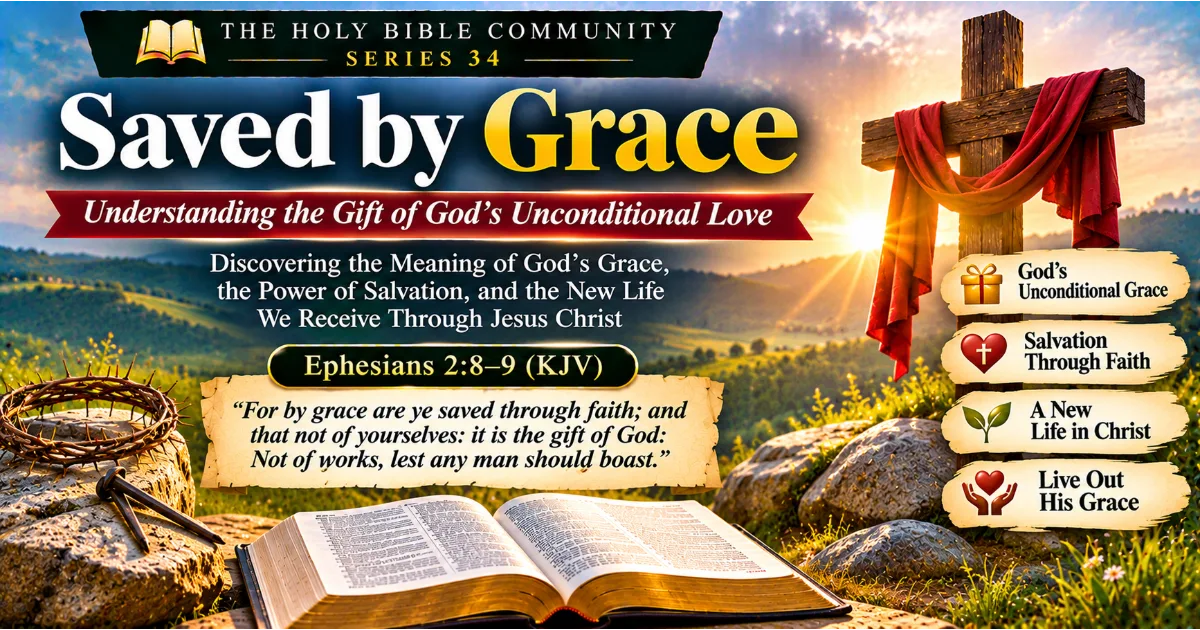
Discovering the Meaning of God's Grace, the Power of Salvation, and the New Life We Receive Through Jesus Christ
Bible Verse: Ephesians 2:8-9 (KJV)
“For by grace are ye saved through faith; and that not of yourselves: it is the gift of God: Not of works, lest any man should boast.”
The Greatest Gift We Cannot Earn
There are many things in life that we work hard to achieve. Education requires study and dedication. Professional success requires effort, discipline, and experience. Strong relationships require patience, understanding, and commitment. Even personal growth often involves difficult decisions and consistent effort. We naturally understand the connection between effort and achievement because much of our everyday life is built around earning, improving, and accomplishing.
Continue Reading
However, the message of the Gospel introduces a gift that cannot be earned through human effort. It is the gift of God's grace. The Bible teaches that salvation is not something we purchase through good behaviour, religious activities, personal achievements, or human perfection. It is a gift made possible through the love of God and the sacrifice of Jesus Christ.
Ephesians 2:8-9 explains this truth with remarkable clarity. The Apostle Paul writes that we are saved by grace through faith, and that salvation is the gift of God, not the result of works. These words challenge the idea that we must become worthy enough before God can love us or accept us. They remind us that God's grace is the foundation of our salvation.
This message is important because many people struggle with feelings of guilt, regret, unworthiness, and failure. Some believe that their past mistakes have placed them beyond forgiveness. Others think that they must perform enough good deeds to balance their wrong decisions. Some become proud of their religious activities and begin measuring their spiritual worth by comparison with others.
The message of grace addresses all these struggles. It teaches us that salvation begins with God's love, not human perfection. We are invited to receive what we could never achieve independently.
Grace does not mean that our actions are unimportant. It does not encourage careless living or make wrongdoing acceptable. Instead, grace transforms our understanding of God and changes the way we respond to His love. When we understand that salvation is a gift, gratitude begins to replace pride, humility replaces self-righteousness, and obedience becomes a response of love rather than an attempt to purchase acceptance.
To understand the Christian life deeply, we must understand grace. It is not simply a religious word. It is the foundation of the hope, forgiveness, reconciliation, and new life offered through Jesus Christ.
Understanding the Meaning of God's Grace
Grace can be understood as God's undeserved favour and kindness toward humanity. It is His loving initiative toward people who cannot earn salvation through their own efforts.
Human relationships sometimes operate through exchange. We may expect kindness because someone has helped us, offer support because we expect something in return, or value people according to what they contribute. Although not every human relationship works this way, people often understand acceptance through the language of performance and reward.
God's grace presents a different foundation. It reminds us that His offer of salvation is not a payment for human achievement. It comes from His love and mercy.
The Bible repeatedly reveals God's willingness to show compassion to people who recognise their need for Him. Throughout Scripture, we find individuals who made serious mistakes, experienced failure, or lived through difficult circumstances. Their stories demonstrate that human weakness does not prevent God from working through those who turn toward Him.
Grace does not suggest that sin is insignificant. It acknowledges the seriousness of sin while revealing the depth of God's mercy and the importance of Christ's sacrifice.
When we understand grace, we begin to recognise that our relationship with God is not built on pretending to be perfect. It is built on trusting Him, accepting His forgiveness, and allowing His truth to transform our lives.
Ephesians 2:8-9: The Foundation of Salvation
The Apostle Paul wrote his letter to the Ephesians to explain the spiritual blessings believers receive through Christ and the new identity they have in Him.
In Ephesians 2, Paul describes humanity's condition before salvation. He explains that people were spiritually separated from God because of sin and that salvation came through God's mercy and love.
Ephesians 2:4-5 (KJV) says:
“But God, who is rich in mercy, for his great love wherewith he loved us, Even when we were dead in sins, hath quickened us together with Christ, (by grace ye are saved;)”
These verses establish an important truth. Salvation begins with God's mercy. Paul does not present humanity as having earned God's intervention through good behaviour. Instead, he describes God's great love as the reason for His saving action.
When Paul reaches verses 8 and 9, he explains how salvation is received. It is by grace through faith. It is God's gift, not something that can become a reason for human boasting.
This distinction is essential. Good works may be valuable, but they cannot replace the grace of God. Religious activity may be meaningful, but it cannot become a payment for salvation. Human achievement may be impressive, but it cannot make anyone independent of God's mercy.
The passage redirects our attention away from personal pride and toward gratitude for what God has done through Jesus Christ.
Salvation Is a Gift, Not a Reward
One of the most important lessons in Ephesians 2:8-9 is that salvation is a gift. A gift is received rather than earned as a payment.
Imagine receiving a meaningful gift from someone who genuinely cares about you. You did not purchase it, negotiate for it, or complete a list of tasks to become entitled to it. The person offered it because they wanted to express love and generosity.
Salvation is far greater than any ordinary gift, but the illustration helps us understand the difference between grace and human achievement.
If salvation could be earned through good works, people might begin measuring their spiritual worth by comparing their actions with those of others. Someone who performs many charitable activities might consider themselves more deserving than someone whose life has been marked by serious mistakes.
Paul rejects this foundation for salvation. He teaches that nobody should boast because salvation is God's gift.
This does not mean that good actions have no value. It means that good actions cannot become the price of salvation.
A person may help many people, support charitable causes, care for family members, and serve society. These actions can be meaningful and beneficial. However, they do not eliminate the need for God's grace.
Likewise, a person who recognises their past failures should not conclude that salvation is impossible. The invitation of the Gospel is not limited to people with impressive histories. It is an invitation to receive God's grace through faith in Christ.
Understanding Faith: Receiving What God Has Offered
Ephesians 2:8 explains that salvation comes through faith. Grace is God's gift, and faith is the means through which that gift is received.
Faith involves trust and reliance. In the Christian understanding of salvation, it means placing our confidence in Jesus Christ rather than relying on our own ability to make ourselves righteous.
Faith is more than agreeing that God exists. It involves trusting what God has revealed through Jesus and responding to His invitation.
A person may know many facts about Christianity but still struggle to trust God personally. Another may understand the importance of prayer but continue to depend entirely on their own judgement. Faith calls us beyond information toward a relationship of trust.
This trust does not mean that we will never experience uncertainty or ask difficult questions. Faith can exist alongside questions, emotional struggles, and a desire to understand more deeply.
It means that we continue to turn toward Christ rather than treating our own understanding as the final authority.
Faith also influences our behaviour. When we trust Jesus, we become more willing to follow His teachings, accept His correction, practise forgiveness, and seek a life that reflects His character.
These actions do not purchase salvation. They demonstrate the transforming influence of the relationship we have received through grace.
Why Human Good Works Cannot Purchase Salvation
People naturally want to believe that their achievements make them worthy of acceptance. We may feel more confident when we accomplish something important or receive recognition for our efforts.
This way of thinking can influence our spiritual lives. We may begin believing that if we pray enough, donate enough, attend enough religious gatherings, or perform enough good deeds, we can earn God's approval.
Although prayer, generosity, worship, and service are important parts of Christian life, they must be understood in their proper place.
Paul explains that salvation is not by works. This teaching protects the Gospel from becoming a system in which people attempt to purchase their relationship with God.
If salvation depended on human achievement, nobody could have complete confidence. We would constantly wonder whether we had done enough, whether our good actions outweighed our mistakes, or whether another person had become more deserving.
Grace removes this burden of self-justification. It directs us toward the completed work of Jesus Christ.
Good works are important because they reflect a changed life, not because they provide the payment for salvation. They are the result of God's transforming grace rather than its purchase price.
The Relationship Between Grace and Repentance
Understanding grace does not mean ignoring sin or refusing to acknowledge wrongdoing. The Bible consistently calls people to turn away from sin and return to God.
Repentance involves recognising that our actions or attitudes are wrong and turning toward a different way of living. It includes a change in direction, not merely regret about the consequences of our behaviour.
A person may feel sorry because a mistake has damaged their reputation, created financial problems, or caused conflict with another person. However, genuine repentance goes deeper. It recognises the wrong itself and seeks to respond differently.
Grace makes repentance possible without requiring us to hide our failures. We can approach God honestly, acknowledge our need for forgiveness, and seek His help in changing our lives.
Consider someone who has repeatedly spoken harshly to family members. Understanding grace should not become an excuse to continue that behaviour. Instead, it should encourage the person to acknowledge the harm, ask for forgiveness, make necessary changes, and develop greater patience.
Similarly, someone who has acted dishonestly should not use forgiveness as a reason to avoid responsibility. Repentance may require admitting the truth, correcting false information, restoring what was taken where possible, and accepting the consequences of wrongdoing.
Grace welcomes the repentant person while also encouraging transformation.
God's Grace Is Greater Than Our Past Mistakes
Many people carry memories of decisions they regret. Some may have damaged relationships, hurt people they cared about, acted dishonestly, or made choices that created lasting consequences.
Although time passes, the emotional weight of those experiences may remain. People may repeatedly remember their mistakes and question whether they can ever become different.
The message of grace offers hope. It teaches that our past does not have to become the final definition of our identity.
Through Jesus Christ, forgiveness and a new beginning are possible. This does not mean that every consequence disappears or that people who were harmed must immediately restore trust. It means that failure does not have to prevent a person from turning toward God and beginning a transformed life.
The Apostle Paul himself had a history of persecuting Christians before becoming a follower of Christ and an important servant of the Gospel. His life demonstrates the extraordinary possibility of transformation through God's grace.
Paul did not pretend that his past had never happened. He recognised the seriousness of what he had done, but he also understood that God's grace had changed the direction of his life.
His example reminds us that a person's past can be acknowledged without becoming a permanent barrier to spiritual growth.
If you carry regret, do not allow shame to convince you that seeking God is pointless. Bring your failures honestly before Him, accept the call to repentance, and take responsibility for the changes you need to make.
Grace Does Not Give Us Permission to Continue Sinning
One misunderstanding about grace is the belief that if salvation is a gift, then our behaviour no longer matters.
The Apostle Paul directly addresses this idea in Romans 6:1-2 (KJV):
“What shall we say then? Shall we continue in sin, that grace may abound? God forbid. How shall we, that are dead to sin, live any longer therein?”
Paul makes it clear that grace should not become an excuse for deliberately continuing in sin.
When someone genuinely understands the love of God, their response should not be to treat wrongdoing casually. Instead, gratitude should encourage a desire to live differently.
Grace changes our relationship with sin. Rather than defending harmful behaviour, we learn to recognise it, resist it, and seek God's help in overcoming it.
This transformation is not always immediate. People may struggle with habits, temptations, weaknesses, and repeated mistakes. Spiritual growth often involves learning, correction, and perseverance.
However, the direction of a life shaped by grace should be toward Christ. We should become increasingly willing to reject what is harmful and practise what is good.
Grace is not permission to remain unchanged. It is the foundation for a new life.
Ephesians 2:10: Created for Good Works
Although Ephesians 2:8-9 teaches that salvation is not earned through works, the next verse explains the importance of good works in the Christian life.
Ephesians 2:10 (KJV) says:
“For we are his workmanship, created in Christ Jesus unto good works, which God hath before ordained that we should walk in them.”
This verse completes the message of the previous two verses. Salvation is not the result of good works, but believers are created in Christ Jesus for good works.
The distinction is important.
We do not serve others to purchase God's love. We serve because we have received His grace. We do not practise kindness to prove that we are more deserving than other people. We practise kindness because Christ teaches us to love.
We do not forgive because forgiveness earns salvation. We forgive because we have experienced God's mercy and are called to reflect that mercy in our relationships.
Good works become the fruit of a transformed life.
This includes many ordinary actions. Caring for an elderly family member, supporting someone experiencing hardship, treating employees fairly, helping children learn, speaking truthfully, and fulfilling responsibilities with integrity can all reflect Christian character.
Not every act of service needs to be visible or publicly recognised. Some of the most meaningful expressions of grace happen quietly, when people choose compassion and responsibility without expecting praise.
Grace and Humility: Why We Have No Reason to Boast
Ephesians 2:9 explains that salvation is not by works so that nobody can boast.
Pride can influence the way people view their spiritual lives. Someone may begin comparing their religious activities with those of others and conclude that they are more deserving of God's favour.
This attitude can lead to judgement, superiority, and a lack of compassion.
Grace challenges this way of thinking. It reminds us that every believer depends on God's mercy. Nobody can claim that salvation is a personal achievement.
This understanding should produce humility.
Humility does not mean denying the value of our abilities or refusing to recognise personal growth. It means understanding that our gifts and opportunities do not make us superior to others.
When we remember that salvation is a gift, we become less interested in competing with other people. We become more interested in gratitude, service, and spiritual growth.
Grace also encourages compassion toward those who are struggling. Instead of assuming that another person's mistakes make them unworthy of love, we remember our own need for forgiveness.
A community shaped by grace should be a place where truth and accountability exist alongside mercy, patience, and genuine concern for others.
Grace in Our Family Relationships
Family life offers many opportunities to understand and practise grace.
No family is perfect. Parents make mistakes, children struggle with expectations, siblings disagree, and spouses may misunderstand one another. People sometimes speak without thinking or allow frustration to influence their behaviour.
A family that understands grace should be willing to acknowledge mistakes and work toward restoration.
Parents can demonstrate grace by correcting children with patience rather than humiliation. Children can learn to acknowledge their mistakes and show respect. Spouses can practise forgiveness while addressing problems honestly and responsibly.
Grace does not mean allowing harmful behaviour to continue without boundaries. It does not require anyone to accept abuse or ignore serious wrongdoing. Rather, it encourages people to respond with truth, dignity, and a desire for what is good.
Sometimes grace means offering another opportunity. At other times, it means having an honest conversation, establishing boundaries, or seeking help to address a difficult situation.
When family members understand that they are not perfect, they may become more willing to apologise, listen, and grow together.
Grace in the Workplace and Professional Life
Professional environments often involve competition, deadlines, expectations, and pressure. People may make mistakes, misunderstand instructions, disagree about responsibilities, or struggle to meet expectations.
Grace can influence the way we respond to these situations.
A manager who understands grace may correct an employee without humiliating them. A colleague may choose to help someone learn rather than constantly reminding them of a mistake. An employee may acknowledge an error honestly instead of blaming another person.
This does not mean that professional standards should disappear. Accountability, performance, honesty, and responsibility remain important.
Grace changes the manner in which people practise these values. It encourages fairness instead of cruelty and correction instead of unnecessary humiliation.
Business owners can also demonstrate grace through honest communication, fair treatment, and consideration for the people affected by their decisions.
A professional life shaped by Christian values should reflect both competence and character.
Grace During Times of Weakness and Struggle
There may be seasons when we feel spiritually weak. We may struggle with fear, disappointment, temptation, grief, or uncertainty. We may question our ability to remain faithful or feel discouraged by repeated mistakes.
During such moments, we should remember that grace is not reserved only for people who feel strong.
Second Corinthians 12:9 (KJV) records the words of the Lord to Paul:
“My grace is sufficient for thee: for my strength is made perfect in weakness.”
Paul received this response while dealing with a difficulty that he had repeatedly asked God to remove. The passage teaches that God's grace and strength can sustain believers even when their circumstances do not change in the way they desire.
This is an important reminder because we sometimes assume that spiritual strength means never feeling weak. However, the Bible shows that believers can experience limitations while continuing to depend on God.
When we feel overwhelmed, we can pray honestly, seek encouragement, accept support, and take practical steps toward addressing our difficulties.
We do not need to pretend that everything is easy. We can acknowledge our weakness while trusting in God's grace.
Grace and Forgiveness: Receiving Mercy and Extending It
Understanding God's grace should influence the way we treat people who have hurt us.
When we recognise how much we depend on God's mercy, we become more aware of the importance of showing compassion to others.
Forgiveness is not always easy. Some wounds are deep, and some experiences require time to process. People may need to establish boundaries or seek support before they are ready to consider reconciliation.
Forgiveness also does not mean denying the seriousness of wrongdoing or removing accountability.
However, holding on to bitterness can influence our emotional and spiritual lives. It can affect our relationships, decisions, and ability to experience peace.
Grace encourages us to move toward forgiveness without pretending that harm did not occur.
We can seek God's help in releasing hatred, refusing revenge, and choosing a response that reflects truth and compassion. Where reconciliation is possible and safe, we can work toward rebuilding relationships through honesty and consistent change.
Receiving grace should make us more willing to become people who extend mercy.
The Difference Between Grace and Cheap Grace
It is important to distinguish genuine grace from an attitude that uses forgiveness to avoid responsibility.
Cheap grace is often understood as accepting the language of forgiveness while refusing to take transformation seriously. It treats God's mercy as though it were permission to continue living without concern for truth, repentance, or obedience.
Biblical grace is different. It offers forgiveness while calling people into a changed relationship with God.
A person cannot sincerely celebrate forgiveness while deliberately refusing to acknowledge wrongdoing. Likewise, someone who understands grace should not use religious language to manipulate others or avoid the consequences of harmful behaviour.
Grace is generous, but it is not meaningless. It was demonstrated through the sacrifice of Jesus Christ and should never be treated casually.
The more deeply we understand grace, the more seriously we should take the opportunity to live differently.
How to Live With Gratitude for God's Grace Every Day
Understanding grace should influence our daily attitudes and decisions. It should not remain only a theological idea that we remember during religious gatherings.
Begin Each Day With Gratitude
Take time to thank God for His mercy, love, forgiveness, and the opportunity to grow. Gratitude helps us recognise that life is not simply a collection of personal achievements.
Acknowledge Your Need for Forgiveness
Be honest about your mistakes. Do not allow pride to prevent you from recognising where you need to change. Bring your failures before God with sincerity and a willingness to repent.
Stop Measuring Your Worth Through Comparison
Avoid deciding that you are more deserving than another person because of your achievements or religious activities. Remember that salvation is a gift, not a competition.
Practise Kindness Without Expecting a Reward
Look for opportunities to help people without constantly calculating what you may receive in return. Let generosity become a natural response to the grace you have received.
Accept Correction With Humility
When someone points out a genuine mistake, consider the lesson rather than immediately becoming defensive. Growth requires the willingness to learn.
Forgive While Maintaining Healthy Boundaries
Seek freedom from bitterness, but do not confuse forgiveness with accepting continued harm. Respond with compassion, truth, and wise boundaries.
Let Your Faith Produce Good Works
Serve your family, treat people fairly, fulfil your responsibilities, and help those who need support. Allow your actions to reflect the values taught by Jesus.
Remember That Spiritual Growth Takes Time
Do not expect perfection overnight. Continue learning, praying, studying Scripture, and making responsible choices. When you fail, return to God and continue growing.
The Transforming Power of Grace in the Life of a Believer
Grace changes how we understand ourselves, God, and other people.
Before understanding grace, we may think that our value depends entirely on our achievements. We may become proud when we succeed and deeply ashamed when we fail.
Grace reminds us that our relationship with God is grounded in His love and the work of Jesus Christ. It teaches us to approach Him with humility rather than pretending to be perfect.
Grace also changes how we view other people. We become less interested in judging their worth according to their past and more willing to recognise their need for mercy, guidance, and transformation.
It changes the way we approach service. Instead of helping people to receive praise or earn spiritual recognition, we learn to serve because love and gratitude influence our hearts.
It changes the way we respond to failure. Rather than allowing regret to become permanent despair, we can acknowledge our mistakes, accept responsibility, seek forgiveness, and pursue a better path.
Most importantly, grace changes the direction of our lives. It calls us away from self-centred living and toward a relationship with God that produces love, humility, obedience, and good works.
Conclusion: Receive God's Grace and Let It Transform Your Life
Ephesians 2:8-9 teaches one of the central truths of the Christian faith. Salvation is by grace through faith. It is the gift of God, not something we can earn through our own achievements.
This message reminds us that nobody needs to pretend to be perfect before approaching God. We can acknowledge our weakness, recognise our need for forgiveness, and place our trust in Jesus Christ.
Grace is not a reward for people who have never made mistakes. It is God's generous offer of salvation through Christ. It removes the foundation for spiritual pride and gives hope to those who recognise their need for mercy.
However, receiving grace should also change the way we live. We are not saved by good works, but Ephesians 2:10 reminds us that we are created in Christ Jesus for good works.
Let this truth influence your everyday life. Be grateful rather than proud. Be compassionate rather than judgemental. Be willing to forgive while respecting truth and accountability. Treat people with dignity. Accept correction. Serve others sincerely. Continue growing in faith.
If you are carrying guilt from the past, remember that your mistakes do not have to become the final chapter of your story. Turn toward God, acknowledge what needs to change, and seek His forgiveness.
If you have become proud of your achievements, remember that salvation is a gift. Let gratitude replace the desire to compare yourself with others.
If you feel spiritually weak, remember that God's grace is sufficient. You do not have to face every challenge through your own strength.
The greatest gift of grace is not simply the removal of guilt. It is the opportunity to receive new life through Jesus Christ and develop a relationship with God that transforms our hearts and actions.
May we never treat God's grace as something ordinary. May we receive it with humility, live with gratitude, and allow it to influence every part of our lives.
A Prayer of Gratitude for God's Grace
Heavenly Father, thank You for Your wonderful grace and unconditional love. Thank You for sending Jesus Christ to make salvation possible through His sacrifice. We recognise that we cannot earn Your forgiveness or purchase our salvation through our own achievements.
Lord, forgive us for the times when we have allowed pride, selfishness, and wrong decisions to influence our lives. Help us acknowledge our mistakes honestly and turn away from the things that separate us from You.
Teach us to understand the true meaning of grace. Help us receive Your forgiveness with gratitude and never treat Your mercy as permission to continue in wrongdoing.
When we feel burdened by our past, remind us that forgiveness and transformation are possible through Christ. When we become proud of our achievements, teach us humility. When we judge others harshly, remind us of our own need for mercy.
Help us demonstrate Your grace through our families, friendships, workplaces, and everyday responsibilities. Give us hearts that are willing to forgive, hands that are ready to help, and words that encourage rather than hurt.
Teach us to serve others without seeking recognition and to practise kindness without expecting something in return. Help our good works become the natural expression of a life transformed by Your love.
Strengthen us during difficult seasons. Guide us when we are uncertain, comfort us when we are discouraged, and correct us when we lose our direction.
Thank You for the gift of salvation through Jesus Christ. May our lives reflect Your goodness, and may everything we do bring honour to Your name.
In Jesus' name, we pray. Amen.
#TheHolyBible #GodsGrace #SavedByGrace #Ephesians28 #ChristianFaith