Understanding God's Spiritual Protection and Learning to Face Life's Battles With Faith, Truth, and Prayer
Key Bible Verse: Ephesians 6:11 (KJV)
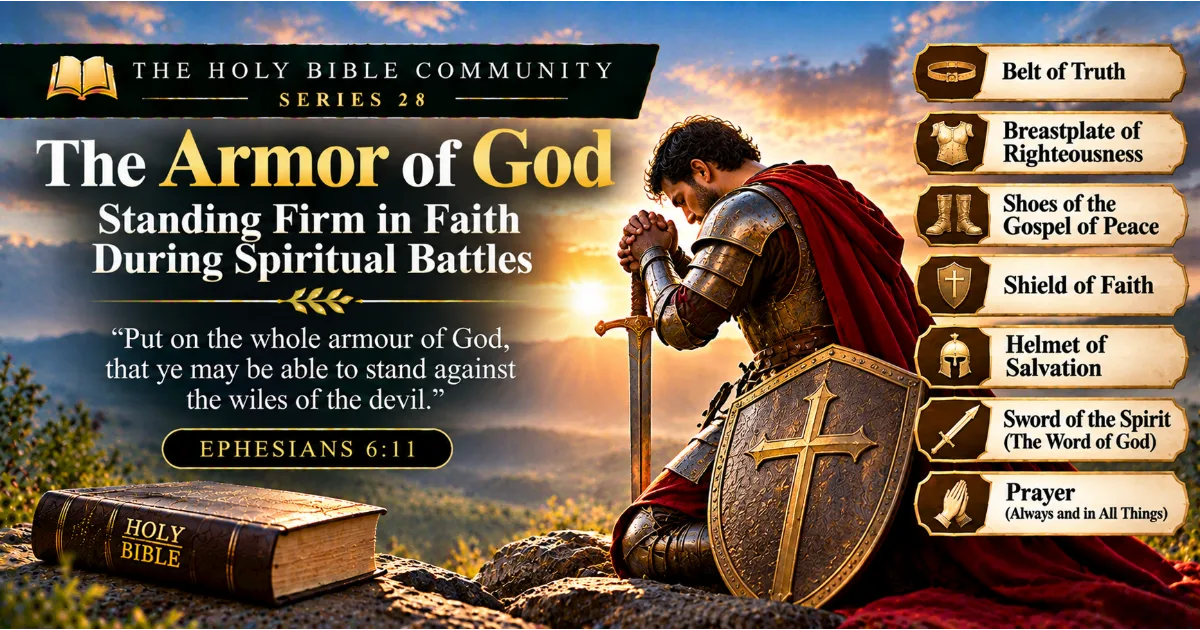
“Put on the whole armour of God, that ye may be able to stand against the wiles of the devil.”
Every Battle Requires the Right Strength
Life brings many kinds of battles. Some are visible to everyone, while others take place quietly within our hearts and minds. We face challenges involving relationships, responsibilities, difficult decisions, temptations, disappointments, fear, and uncertainty. There are moments when we feel spiritually strong and confident, and there are other moments when even ordinary responsibilities seem overwhelming.
Continue Reading
Sometimes the greatest struggle is not the situation in front of us but the thoughts and emotions that develop because of it. Fear may make us doubt our future. Anger may influence our relationships. Temptation may challenge our values. Discouragement may make us question whether continuing is worthwhile. In such moments, we need more than temporary motivation. We need spiritual strength, wisdom, and the ability to remain faithful to God.
In Ephesians 6:10-18, the Apostle Paul introduces one of the most powerful illustrations in the New Testament: the armor of God. He explains that believers must put on the whole armor of God so that they can stand against spiritual opposition. Paul describes spiritual protection through the imagery of a soldier preparing for battle. He speaks about the belt of truth, the breastplate of righteousness, the preparation of the gospel of peace, the shield of faith, the helmet of salvation, and the sword of the Spirit, which is the Word of God. He also emphasises the importance of prayer.
This passage teaches us that Christian faith requires spiritual readiness. We cannot expect to remain firm in every situation if we neglect the truth of God's Word, ignore righteousness, abandon prayer, or allow fear to govern our decisions. The armor of God reminds us that our strength does not come from human power alone. It comes from depending on God and living according to His truth.
The message is not that we should become suspicious of every person or interpret every difficulty as a spiritual attack. Rather, it teaches us to recognise that our spiritual lives require protection, discipline, and continual dependence on God. We must learn to stand firm without allowing hatred, fear, pride, or bitterness to control us.
Understanding the Context of Ephesians 6
To understand the armor of God, it is important to consider the message of the entire letter to the Ephesians. Paul wrote to believers about their identity in Christ, God's grace, unity among Christians, spiritual maturity, and the practical responsibilities of living according to the gospel.
In the earlier chapters, Paul explains that salvation is a gift of God's grace received through faith. Believers are brought into a new relationship with God through Jesus Christ. They are called to live in unity, demonstrate love, practise humility, and leave behind behaviours that contradict their new identity.
By the time Paul reaches Ephesians 6, he has already discussed how Christian faith should influence family relationships, personal conduct, communication, and daily responsibilities. The instruction to put on the armor of God is therefore connected to the entire Christian life. Spiritual readiness is not an isolated activity. It is part of living faithfully every day.
Paul uses the image of a Roman soldier because his readers would have understood the importance of protective equipment. A soldier entering a dangerous situation without proper preparation would be vulnerable. In the same way, believers should not approach spiritual challenges carelessly.
The passage begins with an important instruction in Ephesians 6:10:
“Finally, my brethren, be strong in the Lord, and in the power of his might.”
Notice that Paul does not tell believers to depend entirely on their own strength. He tells them to be strong in the Lord. This is the foundation of the entire passage. Spiritual strength comes from God, not from personal confidence, social influence, physical ability, or human achievement.
1. The Belt of Truth: Building Your Life on What Is True
Ephesians 6:14 begins by describing the belt of truth. In the armour of a Roman soldier, a belt helped secure important parts of the equipment and supported readiness for action. Paul uses this image to explain the importance of truth in the Christian life.
Truth is essential because deception can weaken our faith and influence our decisions. People can become trapped in false beliefs about God, themselves, other people, and the world around them. Sometimes these beliefs develop through fear, disappointment, misinformation, or repeated negative experiences.
A person who believes that God has abandoned them may gradually lose hope. Someone who believes that personal worth depends entirely on professional success may become consumed by comparison. Another person may justify dishonesty because they think everyone behaves that way. False beliefs can influence actions and create spiritual confusion.
The truth of God's Word provides a foundation that helps us examine these beliefs. Scripture reminds us of God's character, His promises, His instructions, and the identity believers receive through Christ.
Putting on the belt of truth means choosing honesty in our relationship with God and with other people. It means refusing to build our lives around lies, manipulation, or convenient explanations. It also means being willing to recognise uncomfortable truths about our own behaviour.
Truth should influence our communication. We should avoid spreading false information, making promises we do not intend to keep, or manipulating others for personal benefit. We should also develop the humility to admit when we do not know something.
In a world where information travels quickly, discernment is especially important. Not every statement presented confidently is accurate, and not every popular opinion deserves our acceptance. Christians should develop the habit of examining information carefully and comparing their beliefs with Scripture.
When truth becomes the foundation of our lives, we become more stable in difficult situations. We may still face uncertainty, but we do not need to build our decisions on deception or fear.
2. The Breastplate of Righteousness: Protecting Your Heart Through Right Living
Paul next describes the breastplate of righteousness. A soldier's breastplate protected vital parts of the body. In the spiritual illustration, righteousness represents the importance of living according to God's standards.
Righteousness is closely connected to our relationship with God through Jesus Christ. We are not saved because we have achieved perfect behaviour. Salvation is a gift of grace. Yet the grace we receive should lead us toward a life of obedience, integrity, and transformation.
The breastplate of righteousness reminds us that our actions matter. We cannot deliberately practise dishonesty, cruelty, injustice, or exploitation while expecting those behaviours to have no effect on our spiritual lives.
Everyday decisions reveal the values guiding our hearts. How do we treat people who cannot benefit us? Do we remain honest when dishonesty seems profitable? Do we fulfil our responsibilities when nobody is watching? Do we respect others even when we disagree with them?
Righteousness also requires us to examine our motives. Sometimes an action may appear good externally while being driven by pride, selfish ambition, or the desire for recognition. God is concerned not only with what we do but also with the condition of our hearts.
Putting on the breastplate of righteousness means choosing what is right even when it is difficult. It means refusing to compromise our values for temporary advantages. It means treating people fairly, keeping our commitments, and accepting responsibility when we make mistakes.
This does not mean that believers will never fail. When we sin, we should acknowledge our wrongdoing, seek God's forgiveness, and make changes where necessary. Righteous living is a continuing commitment to follow God's ways rather than a claim that we have become flawless.
3. The Shoes of the Gospel of Peace: Walking With Stability and Purpose
In Ephesians 6:15, Paul describes the feet as being prepared with the gospel of peace. A soldier needed suitable footwear to move securely across difficult ground. Without stability, even a strong soldier could lose balance.
Paul connects this image with the readiness that comes from the gospel of peace. Through Jesus Christ, believers receive the message of reconciliation with God. This peace provides a foundation for the way they live and interact with others.
Peace is not simply the absence of disagreement. It is a deeper confidence rooted in our relationship with God. When we understand that our lives belong to Him, we can face difficult circumstances without allowing every problem to destroy our inner stability.
The gospel of peace also influences how we treat other people. Jesus taught His followers to become peacemakers. This means we should avoid creating unnecessary conflict, spreading hatred, or responding to every disagreement with hostility.
Being a peacemaker does not mean avoiding truth or accepting injustice. There are situations in which difficult conversations are necessary. Sometimes we must speak against wrongdoing, establish boundaries, or defend someone who is being treated unfairly. The important question is whether our actions are guided by truth and righteousness rather than revenge or personal pride.
In family life, the shoes of the gospel of peace may be expressed through patience, honest communication, and a willingness to resolve misunderstandings. In professional life, they may be seen through fairness, cooperation, and respectful disagreement.
The gospel gives us a message worth sharing. We should be prepared to communicate the hope of Christ through our words and actions. Our lives should demonstrate that peace with God can transform the way we approach the world.
4. The Shield of Faith: Protecting Your Heart From Doubt and Fear
Ephesians 6:16 describes the shield of faith, which enables believers to withstand the fiery darts of the wicked. A shield was an important part of a soldier's defence. It helped protect against attacks that could otherwise cause serious harm.
Paul uses this image to explain the protective role of faith. Throughout life, we encounter thoughts and experiences that challenge our confidence in God. Fear, temptation, discouragement, guilt, and uncertainty may attempt to influence our decisions.
We may begin questioning whether God hears our prayers when answers do not come as quickly as we hoped. We may feel forgotten when other people appear to succeed while our own progress remains slow. We may experience disappointment and wonder whether trusting God has made any difference.
Faith does not mean that these questions will never arise. It means that we continue to turn toward God even when we do not understand everything.
The shield of faith reminds us to trust God's character rather than measuring His faithfulness only through our immediate circumstances. We may not know how every situation will develop, but we can continue seeking His guidance and obeying His Word.
Faith is not blind optimism. It is confidence rooted in the knowledge of God and the truth of Scripture. It does not require us to ignore practical responsibilities or refuse wise advice. Instead, faith gives us the courage to act responsibly without allowing fear to become our master.
Consider a person facing a difficult financial season. Faith does not mean ignoring debts, refusing to make a budget, or expecting money to appear without effort. It means seeking God's wisdom, acting responsibly, remaining honest, and refusing to surrender to despair.
Consider someone experiencing a painful relationship conflict. Faith does not mean pretending that nothing happened. It means seeking truth, wisdom, forgiveness where appropriate, and healthy boundaries while trusting God through the process.
The shield of faith helps us remain steady when negative thoughts and difficult experiences threaten to weaken our spiritual confidence.
5. The Helmet of Salvation: Protecting Your Mind With the Hope of Christ
Paul describes the helmet of salvation in Ephesians 6:17. A helmet protects the head, and Paul uses this image to emphasise the importance of salvation and the hope that comes through Jesus Christ.
Our minds influence how we understand ourselves, our circumstances, and our future. Thoughts can encourage us to act wisely, but they can also become sources of fear, shame, and discouragement.
Many people struggle with thoughts that repeatedly remind them of past failures. Others become overwhelmed by worries about what may happen tomorrow. Some allow criticism from other people to define their identity. Others measure their worth through wealth, appearance, popularity, or professional achievements.
The message of salvation offers a different foundation for our thinking. Through Jesus Christ, believers receive forgiveness, reconciliation with God, and the hope of eternal life. Their identity is not ultimately determined by their mistakes, achievements, or the opinions of others.
Putting on the helmet of salvation means remembering what Christ has done and allowing that truth to shape our thoughts. It means refusing to let temporary circumstances determine our understanding of God's grace.
This does not mean that Christians will never experience sadness, anxiety, or emotional struggles. Faith is not a substitute for appropriate medical care, counselling, or support when these are needed. Rather, our spiritual hope can provide encouragement while we take responsible steps to care for our minds and wellbeing.
We should be careful about the thoughts we repeatedly entertain. If we constantly feed our minds with bitterness, comparison, fear, and resentment, these attitudes can influence our behaviour. Reading Scripture, praying, practising gratitude, and seeking wise guidance can help us develop healthier patterns of thinking.
The helmet of salvation reminds us that our future is held in God's hands. We can live responsibly today while placing our ultimate hope in Christ.
6. The Sword of the Spirit: Using God's Word With Wisdom
The sword of the Spirit is the only piece of equipment in Paul's list explicitly described as a weapon. Paul identifies it as the Word of God.
This image reminds us that Scripture is not merely a collection of religious sayings. It is God's Word, providing instruction, correction, wisdom, encouragement, and guidance.
Jesus demonstrated the importance of Scripture during His temptation in the wilderness. In Matthew 4, when the devil tempted Him, Jesus responded by referring to God's Word. He did not allow temptation to redefine His identity or weaken His obedience to the Father.
His example teaches us the importance of knowing Scripture rather than depending entirely on vague memories or occasional inspirational messages.
When we face temptation, God's Word can remind us of the consequences of our choices and the importance of obedience. When we experience fear, Scripture can strengthen our understanding of God's presence. When pride influences our behaviour, biblical teaching can remind us of humility and service.
However, the sword of the Spirit should never be used as an excuse to attack people. The purpose of Scripture is not to justify hatred, humiliation, or manipulation. We must interpret biblical passages carefully and apply them with humility, wisdom, and love.
Knowing isolated verses without understanding their context can lead to confusion. We should read Scripture thoughtfully, consider the surrounding passage, and seek to understand its message within the wider teachings of the Bible.
The Word of God becomes a source of strength when we study it, remember it, and allow it to influence our decisions. A believer who regularly engages with Scripture is better prepared to recognise teachings that contradict God's truth.
7. Prayer: Staying Connected to God in Every Situation
After describing the armor, Paul emphasises prayer in Ephesians 6:18. He instructs believers to pray always with all prayer and supplication in the Spirit, remaining watchful with perseverance.
Prayer is essential because the armor of God is not a collection of independent techniques. Every part of spiritual readiness is connected to our dependence on God.
Prayer allows us to bring our concerns, fears, decisions, and struggles before Him. It is also an opportunity to express gratitude, confess wrongdoing, seek wisdom, and intercede for others.
Paul does not describe prayer as something reserved only for emergencies. He encourages believers to remain prayerful in every season. This means developing a relationship with God that continues beyond moments of crisis.
Sometimes our prayers may be long and detailed. At other times, they may consist of a few sincere words spoken during a difficult moment. The important thing is not the length or style of the prayer but the sincerity of our relationship with God.
Prayer also requires perseverance. There may be times when we do not immediately receive the answers we desire. We may have to wait, reconsider our expectations, or accept that God's wisdom is greater than our understanding.
Paul also asks believers to pray for one another. This reminds us that Christian faith is not intended to be lived in isolation. We should support one another through prayer, encouragement, practical assistance, and fellowship.
When prayer becomes a regular part of our lives, we become more conscious of God's guidance and less dependent on our own limited understanding.
Why Paul Tells Us to Stand Firm
One instruction appears repeatedly in Paul's description of the armor of God: stand. The passage encourages believers to stand against spiritual opposition and remain firm after putting on God's armor.
This is important because not every battle requires us to respond through immediate action. Sometimes the most faithful decision is to refuse temptation, reject deception, remain committed to truth, and continue doing what is right.
Standing firm may mean refusing to compromise our values when others pressure us. It may mean choosing forgiveness rather than revenge. It may mean remaining honest when dishonesty appears easier. It may mean continuing to pray when circumstances have not changed.
Standing firm does not mean becoming stubborn or refusing correction. A believer should remain humble and willing to learn. It means remaining committed to God's truth rather than being easily influenced by every fear, temptation, or popular opinion.
There are situations in which we must act, speak, or seek help. There are also situations in which patience and endurance are necessary. Spiritual maturity helps us recognise the difference.
Understanding Spiritual Warfare Without Living in Fear
The teaching about spiritual warfare can sometimes be misunderstood. Some people may begin interpreting every disagreement, illness, disappointment, or unexpected event as direct evidence of a spiritual attack. This can create unnecessary fear and suspicion.
Ephesians 6 does not encourage believers to live in constant panic. It teaches them to remain spiritually prepared and dependent on God.
Paul makes an important distinction in Ephesians 6:12 when he explains that the struggle is not against flesh and blood. This reminds believers that people should not become the targets of hatred simply because conflict exists.
Human beings can make mistakes, behave unfairly, or disagree with us, but the Christian response should not be to treat every opponent as an enemy to be destroyed. We are called to act with truth, righteousness, love, and wisdom.
Spiritual warfare should lead us toward greater dependence on God, not toward suspicion of everyone around us. It should strengthen our commitment to goodness rather than encourage hostility.
We must also recognise that many challenges have practical causes. Financial difficulties may require planning and professional guidance. Relationship problems may require communication or counselling. Health concerns may require medical care. Spiritual faith and practical responsibility should work together.
The armor of God prepares us to face life with courage, discernment, and hope.
How to Put on the Armor of God Every Day
The armor of God becomes meaningful when we apply its principles to our everyday lives. We do not need to wait for a major crisis before developing spiritual discipline.
Begin your morning by reminding yourself that your strength comes from God. Ask Him to guide your thoughts, decisions, and interactions throughout the day.
Practise truth by being honest in your communication and refusing to spread misinformation. Examine your beliefs and compare them with Scripture.
Practise righteousness by making ethical choices, fulfilling your responsibilities, and treating people fairly. Do what is right even when it is inconvenient.
Carry the gospel of peace into your relationships. Avoid unnecessary arguments, communicate respectfully, and become willing to resolve misunderstandings without compromising truth.
Use the shield of faith when fear and discouragement arise. Remind yourself of God's character and continue taking responsible steps rather than surrendering to hopelessness.
Protect your mind with the hope of salvation. Avoid allowing temporary failures or other people's opinions to define your identity. Remember the grace you have received through Christ.
Keep the sword of the Spirit close by reading and understanding Scripture. Do not depend only on occasional verses. Develop a consistent habit of studying God's Word.
Finally, remain prayerful. Bring your concerns to God, pray for others, and seek His guidance throughout the day.
These practices do not guarantee a life without difficulties. They prepare us to face difficulties with a stronger spiritual foundation.
The Armor of God in Family Life
Family life provides many opportunities to practise the lessons of Ephesians 6. Relationships require patience, honesty, forgiveness, understanding, and commitment.
The belt of truth encourages honest communication between family members. The breastplate of righteousness reminds us to act fairly and take responsibility for our behaviour. The shoes of peace encourage us to resolve disagreements constructively.
The shield of faith helps families remain hopeful during uncertain seasons. The helmet of salvation reminds parents and children that their worth is not determined by achievements or mistakes. The sword of the Spirit provides biblical wisdom for decisions and values. Prayer strengthens family relationships by encouraging people to seek God's guidance together.
Families are not perfect, and disagreements are unavoidable. But when family members are willing to practise humility, listen carefully, forgive sincerely, and take responsibility, relationships can become stronger.
Parents can teach children the importance of truth, kindness, and self-control through their own example. Children can learn to respect others while developing the confidence to speak honestly. Spouses can strengthen their relationship through commitment, mutual respect, and prayer.
The armor of God is not only a personal spiritual illustration. Its principles can influence the atmosphere of an entire household.
The Armor of God in Professional and Social Life
Our professional lives also require spiritual readiness. Workplaces can involve competition, pressure, disagreements, difficult decisions, and ethical challenges.
Truth helps us communicate honestly with colleagues and customers. Righteousness guides decisions involving money, responsibility, and fairness. Peace helps us handle disagreements without unnecessary hostility.
Faith gives us courage when projects fail or progress becomes uncertain. The hope of salvation reminds us that professional status does not determine our ultimate identity. Scripture provides wisdom when we face moral decisions, and prayer helps us seek guidance before taking important steps.
These principles apply to business owners, employees, students, leaders, and anyone involved in public or professional responsibilities.
A person who follows Christ should not separate faith from everyday conduct. Our spiritual values should influence how we treat people, manage resources, fulfil commitments, and respond to challenges.
Success should never become an excuse for dishonesty, and difficulty should never become a justification for abandoning integrity.
Conclusion: Stand Strong in the Strength of the Lord
The armor of God reminds us that the Christian journey requires preparation, discipline, and continual dependence on God. We cannot control every circumstance, prevent every disappointment, or avoid every temptation. But we can choose to remain rooted in truth, righteousness, peace, faith, salvation, Scripture, and prayer.
The belt of truth teaches us to reject deception. The breastplate of righteousness encourages us to live with integrity. The shoes of the gospel of peace prepare us to walk with stability and share the message of Christ. The shield of faith strengthens us when doubt and fear arise. The helmet of salvation protects our hope and reminds us of our identity in Christ. The sword of the Spirit gives us the wisdom and guidance of God's Word. Prayer keeps us connected to the One who provides our strength.
There will be days when we feel strong and days when we feel weak. There will be situations that challenge our patience and circumstances that test our confidence. During those moments, remember Paul's opening instruction: be strong in the Lord and in the power of His might.
Do not allow fear to become greater than your faith. Do not allow anger to replace love. Do not allow temporary disappointment to destroy your hope. Continue seeking God, practising His teachings, and standing firm in the truth of His Word.
The armor of God is not a promise that we will never experience hardship. It is a reminder that we do not have to face life's spiritual challenges relying only on ourselves. God provides the strength and guidance we need to remain faithful.
May we become believers who are prepared, prayerful, courageous, humble, and committed to the truth. May our lives demonstrate the strength that comes from trusting God.
Stand firm in faith, walk in peace, hold on to truth, and remember that your greatest strength comes from the Lord.
A Prayer for Spiritual Strength and Protection
Heavenly Father, we come before You with grateful hearts, thanking You for Your love, mercy, and constant guidance. Thank You for reminding us through Your Word that we do not have to face life's struggles through our own strength alone.
Lord, help us put on the whole armor of God every day. Teach us to live according to Your truth and protect our hearts through righteousness. Guide our steps with the gospel of peace and strengthen our faith when fear, doubt, and discouragement try to influence us.
Protect our minds through the hope of salvation. Help us remember that our identity is found in Jesus Christ and not in temporary achievements, failures, or the opinions of others.
Give us a deeper understanding of Your Word. Help us read it with wisdom, remember its teachings, and apply them in our daily decisions. May Your Word guide us when we face temptation, confusion, and difficult choices.
Lord, teach us to pray with sincerity and perseverance. Remind us to bring our worries before You and to pray for our families, friends, neighbours, and those who are experiencing difficult seasons.
Protect our homes from hatred, dishonesty, bitterness, and unnecessary conflict. Help us build relationships based on love, respect, forgiveness, and understanding. Guide us in our workplaces and responsibilities so that we may act with honesty and integrity.
When we feel weak, remind us that Your strength is sufficient. When we become discouraged, renew our hope. When we make mistakes, give us the humility to acknowledge them and the courage to make things right.
Help us stand firm without becoming proud, remain courageous without becoming unkind, and defend what is right without allowing hatred to enter our hearts.
May our lives reflect the character of Jesus Christ. Keep us close to You and guide us through every challenge.
In the precious name of Jesus Christ, we pray.
Amen.
#ArmorOfGod #Ephesians6 #SpiritualWarfare #ChristianFaith #FaithInGod